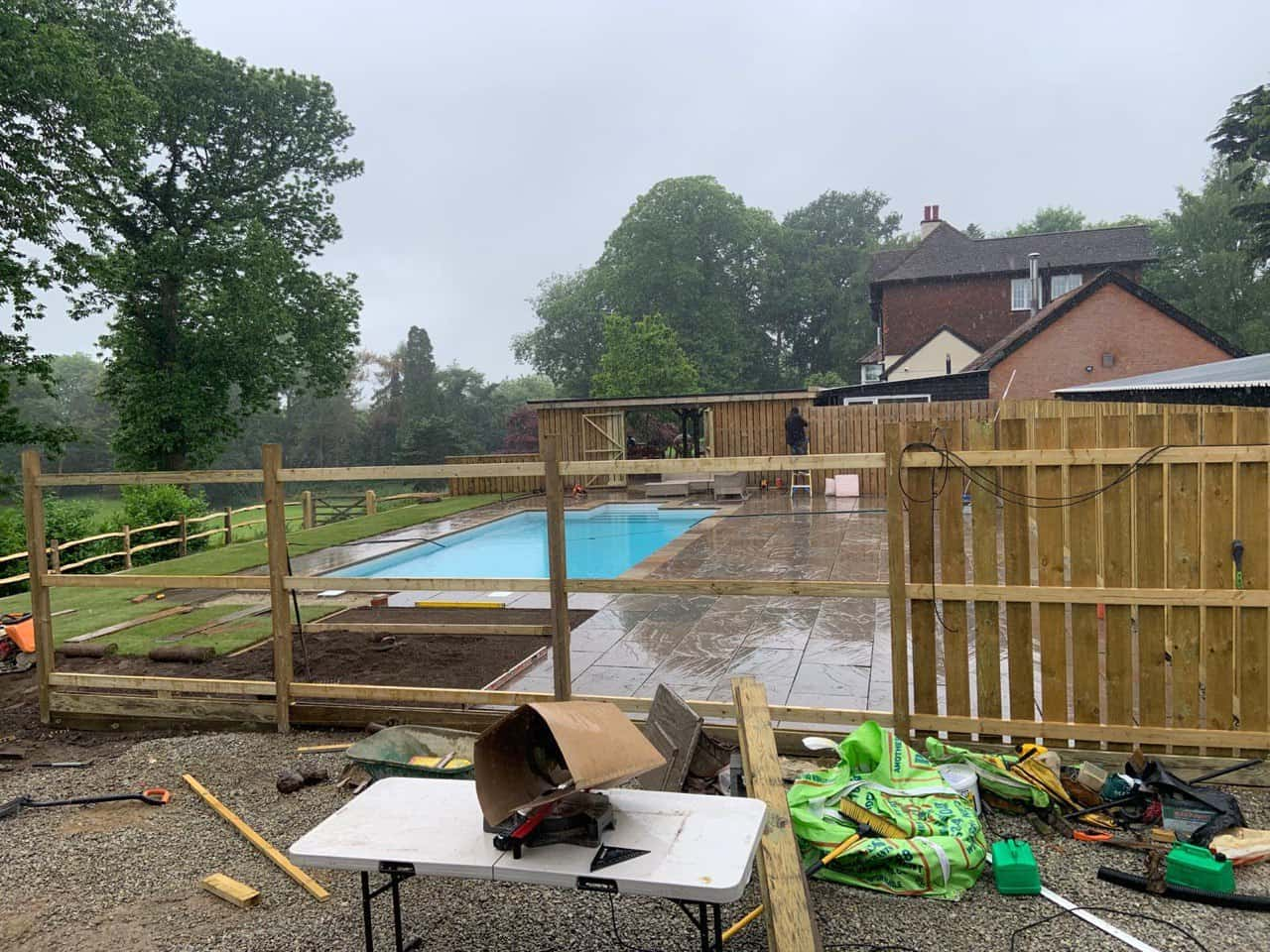
Feather Edge Fencing: A Durable and Practical Garden Boundary Solution
Feather edge fencing is a popular choice for homeowners looking for a strong, attractive and reliable garden boundary. Its overlapping vertical timber boards create a solid fence that offers privacy, helps define outdoor spaces and complements a wide range of garden styles. For properties in Mildenhall, Suffolk, it can be a practical option for improving both the appearance and functionality of a garden.
Choosing the right fencing involves more than selecting a style. The quality of the materials, the installation method and the suitability of the fence for the garden all influence its long-term performance. Understanding these factors can help you make an informed decision when planning a new boundary.
What Is Feather Edge Fencing?
Feather edge fencing is constructed using vertical timber boards that overlap slightly along their edges. Each board is thicker along one side and tapers towards the other, allowing the boards to fit closely together and form a continuous boundary.
The boards are typically fixed to horizontal rails supported by sturdy fence posts. This construction creates a traditional timber fence with a neat, uniform appearance and fewer gaps than many open-style fencing options.
Because feather edge fencing can be installed to suit different garden layouts, it works well for rear gardens, side boundaries and areas where greater privacy is important.
The Main Benefits of Feather Edge Fencing
One of the key advantages of feather edge fencing is its robust construction. When installed correctly, the overlapping boards and supporting framework provide a dependable boundary that can withstand normal outdoor conditions.
Privacy is another important benefit. The close-fitting boards help screen the garden from neighbouring properties and passing views, making outdoor spaces more comfortable for relaxing, entertaining or spending time with family.
Feather edge fencing also offers a versatile appearance. Its natural timber finish suits traditional gardens while providing a simple, understated boundary for more contemporary outdoor spaces. The timber can be left to weather naturally or treated with a suitable exterior wood preservative to help maintain its condition.
Choosing the Right Materials and Fence Structure
The performance of a feather edge fence depends on the quality of its materials and the strength of its supporting structure. Fence posts must be suitable for the ground conditions, while the horizontal rails need to provide secure fixing points for the boards.
Timber quality is particularly important because fencing remains exposed to rain, moisture, sunlight and changing temperatures throughout the year. Suitable exterior-grade timber and appropriate protective treatments can help reduce deterioration over time.
It is also worth considering the condition of the existing boundary before installation. Uneven ground, soft soil or deteriorating posts may require additional preparation to achieve a straight, stable finish.
Why Professional Installation Matters
Even good-quality fencing may perform poorly if it is not installed correctly. Posts that are inadequately secured can lean, while poorly aligned rails and unevenly fitted boards can affect the fence’s appearance and stability.
Professional installation helps ensure that the fence follows the garden boundary accurately, with consistent board spacing and a secure supporting framework. The installer can also assess changes in ground level and determine the most suitable way to accommodate slopes or uneven sections.
For homeowners in Mildenhall, Suffolk, a properly planned installation can help create a boundary that looks neat and performs reliably. Experienced fencing specialists can recommend an arrangement suited to the garden’s layout and intended use.
Maintaining Feather Edge Fencing
Although feather edge fencing is designed for outdoor use, routine maintenance helps preserve its appearance and condition. Periodically inspect the fence for loose boards, leaning posts, damaged rails and signs of timber decay.
Keep vegetation from growing heavily against the boards, as trapped moisture can encourage deterioration. Where appropriate, apply a suitable timber treatment according to the manufacturer’s instructions, paying particular attention to exposed areas.
After periods of strong wind or prolonged wet weather, checking the fence can help identify developing problems before they affect a larger section. Prompt attention to minor damage may also help extend the useful life of the installation.
Is Feather Edge Fencing Right for Your Garden?
Feather edge fencing is worth considering if you want a solid timber boundary that provides privacy and a traditional appearance. It can be particularly suitable for gardens where a clear separation between neighbouring properties is desirable.
However, the best choice depends on the available space, ground conditions, desired height and overall garden design. Considering these factors before installation helps ensure the finished fence meets your practical needs as well as your aesthetic preferences.
Conclusion
Feather edge fencing combines privacy, strength and a timeless appearance, making it a practical boundary solution for many gardens. With suitable materials, careful installation and regular maintenance, it can provide a dependable and attractive garden enclosure for years to come.
If you are considering new feather edge fencing for your property in Mildenhall, Suffolk, Fast Fix Fencing Mildenhall can help you assess your requirements and choose a suitable solution. Get in touch to discuss your garden boundary and arrange a fencing installation tailored to your property.
Call us on: 01638 591 199
Click here to find out more about Fast Fix Fencing Mildenhall
Click here to complete our contact form and see how we can help with your fencing needs.